Walk down the coffee aisle and you will see two bags side by side. One says espresso roast. The other says dark roast. They look almost the same. The labels suggest they belong to different worlds. The truth is more interesting, and a lot more useful for anyone making espresso at home.
Espresso is a brewing method, not a roast level. You can pull espresso with a medium roast, a dark roast, a light roast, or anything in between. What changes is the flavor, the body, and how forgiving the shot is when your grind drifts a little off.
This guide breaks down the real difference between espresso roast and dark roast, what each does in the cup, and how to choose beans that match the kind of drinks you want to make. We will also share how our two roast styles, Colombia Sunrise and Ethiopia Sunrise, behave when pulled as espresso.
Key Takeaways
- Different labels, same idea: Espresso roast usually means a medium-dark to dark roast picked for sweetness under pressure.
- Dark roast is a roast level: Any dark roast can be brewed as espresso. Not every dark roast tastes great that way.
- Recipe beats label: Grind, dose, yield, and time matter more than what the bag is called.
- Lighter roasts work too: Modern espresso machines pull medium and lighter roasts beautifully with a tighter grind.
- Buy fresh: Roast date in the last 14 to 28 days gives the best crema and sweetness.
In This Guide
What does espresso roast mean?
The phrase espresso roast is not a regulated term. Most roasters use it to describe a roast level that lands somewhere between full city and Vienna, which is medium-dark to dark. The bean is roasted past second crack or right at the edge of it. The result is lower acidity, heavier body, and the kind of caramelized sweetness that holds up against milk.
Some roasters reserve the espresso label for a specific blend they designed for the puck and the pressure. Others use it as a marketing shortcut for any dark bag. Reading the roast date and the tasting notes tells you more than the label itself.
Dark roast vs espresso roast: the real difference
Dark roast describes a roast level. Espresso roast describes a target use. The overlap is huge, but they are not the same.
A dark roast can be from any origin and used in any brew method. Pour over, French press, drip, espresso, all fair game. An espresso roast is a roaster's recommendation that this particular bean was developed to taste great as an espresso shot. The roaster has tested it at typical espresso ratios and built the curve to support that pull.
| Trait | Espresso Roast | Dark Roast |
|---|---|---|
| Roast level | Medium-dark to dark, often right at or past second crack | Past second crack, sometimes deeper |
| Designed for | Espresso machines and moka pots | Any brew method |
| Body | Heavy, syrupy, big crema | Heavy, oily surface possible |
| Acidity | Low to moderate | Very low |
| Bitter notes | Controlled, with chocolate and caramel | Can drift to ashy if pushed too dark |
| Best for milk drinks | Yes | Yes, but flavor can be flat |
How they taste in the cup
A well-made espresso roast pulls thick crema and brings notes of dark chocolate, toasted nuts, brown sugar, and sometimes dried fruit. The body is heavy. The finish is long. The acidity is low enough that milk does not flatten it, but high enough that a straight shot still has shape.
A standard dark roast can do the same thing, but it can also taste smoky, ashy, or one-dimensional if the roaster pushed the curve too hard. The risk with very dark roasts is losing the origin character. You drink the roast, not the bean.
For espresso at home, a roast that finishes medium-dark tends to be the most flexible. It pulls clean as a straight shot, holds up in a flat white, and still tastes like the place it came from. Our reference here is the Specialty Coffee Association roast color scale, which most professional roasters use as a baseline.
"Taste and see that the Lord is good."
Psalm 34:8How to choose beans for your home espresso setup
Your gear shapes your roast choice more than people think. A small thermoblock machine forgives darker, more developed beans. A heat exchanger or dual boiler with PID gives you the headroom to try medium and lighter roasts. Manual lever machines tend to shine with classic espresso roasts.
If you are starting out
Pick a medium-dark to dark roast labeled as espresso friendly. The bean is already in a forgiving zone. Aim for a 1 to 2 ratio (one part dry coffee to two parts liquid espresso) over 25 to 30 seconds.
If you have a PID machine
You can pull medium roasts and even lighter roasts cleanly. Drop the temperature to around 199 to 201 degrees Fahrenheit, tighten the grind, and stretch the ratio closer to 1 to 2.5. The cup gets more origin character and brighter notes.
If you mostly drink milk drinks
Stay with espresso roast or a dark roast you have tested. Milk amplifies sweetness and can mask thin shots, but it also flattens delicate light roast notes you paid for.
Roast date matters
Espresso shots taste their best between 7 and 28 days after roast. Too fresh and the puck gushes. Too old and the crema thins out and the flavor goes flat.
His Word Coffee picks for espresso at home
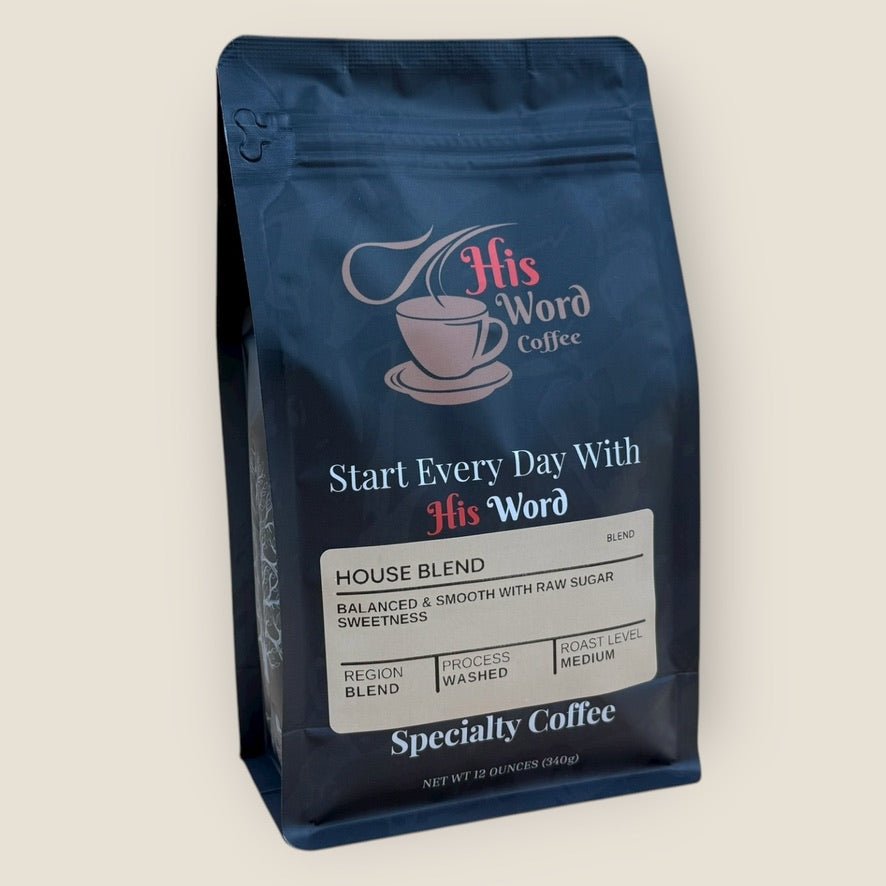
We roast in small batches in Battle Ground, Washington. Two of our beans pull beautifully on a home espresso machine.
Colombia Sunrise is a medium roast washed Colombian. As an espresso it shows brown sugar, milk chocolate, and a soft red apple finish. The acidity stays bright but never sharp. It is the most popular bean we sell, and it is also the most forgiving on espresso machines that drift a few degrees off.
Ethiopia Sunrise is a lighter natural Ethiopian. Pull it tighter and shorter, and you will get blueberry, milk chocolate, and a lifted floral finish. It is best on machines that hold their temperature well.
Try Both With Your Free First Bag
Start a coffee subscription and we will send your first bag free. Change roast, change beans, pause any time.
Start the SubscriptionHow to dial in any roast level
The label on the bag is a starting point. The recipe in your cup is what matters. Here is the framework we use.
- Dose: 18 to 20 grams of coffee in a double basket.
- Yield: 36 to 40 grams of liquid in the cup.
- Time: 25 to 30 seconds from the moment water hits the puck.
- Temperature: 200 to 203 degrees Fahrenheit for medium-dark roasts. Drop to 199 to 201 for lighter roasts.
- Adjust grind first: If the shot runs too fast and tastes thin, grind finer. If it chokes and tastes harsh, grind coarser.
For more on grind feel and brewing, see our coffee to water ratio guide and the cupping guide.
Source: Specialty Coffee Association roast color standards; common home espresso recipes from Hoffmann, Rao, and Perger. Brewing temperatures cross-referenced with the SCA water standard.
Frequently Asked Questions
Is espresso roast just dark roast with a different label?
Usually no. Espresso roast is a roaster's design choice tuned for espresso pressure and ratios. Many espresso roasts land medium-dark rather than full dark, because that zone keeps origin character alive.
Can I use any coffee bean for espresso?
Yes. Espresso is a brewing method. With the right grind and a fresh bag, you can pull espresso from light, medium, or dark roasts. The taste will change with each.
Do darker roasts have more caffeine?
Caffeine survives roasting. Bean for bean, dark and light roasts have nearly identical caffeine. Volume measurement changes the result because darker beans weigh less.
What grind should I start with for espresso?
Start fine, near the texture of baker's sugar or table salt. Adjust finer if the shot runs too fast, coarser if it chokes.
How old can espresso beans be?
Best between 7 and 28 days after roast. Beyond 6 weeks the crema and sweetness drop sharply.


Leave a comment
This site is protected by hCaptcha and the hCaptcha Privacy Policy and Terms of Service apply.