
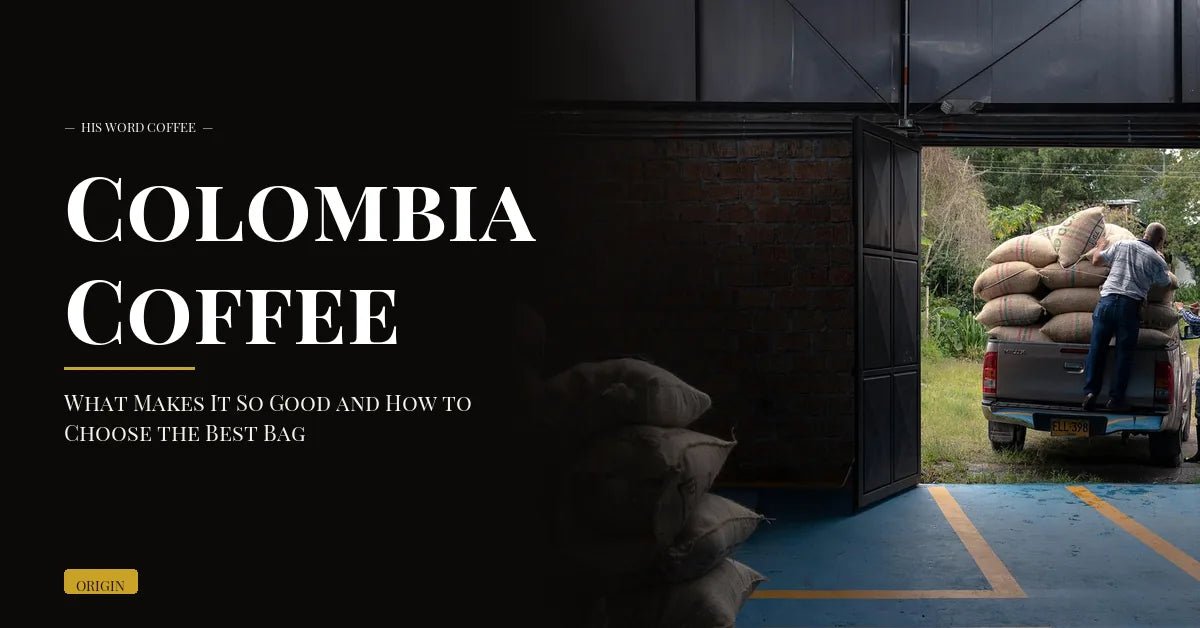
Colombia grows more washed Arabica than any country in the world. But not all Colombian coffee tastes the same. The Colombian coffee region on the bag, whether it is Huila, Nariño, Tolima, Antioquia, or Cauca, shapes the flavor more than most coffee drinkers realize. Two bags labeled "Colombian medium roast" can taste like different countries depending on where in Colombia the beans grew.
This guide maps the main coffee regions of Colombia, what each one tastes like, and why our most popular bean comes from where it does. We will also explain how to read a bag so you can pick the region that matches your palate.
Key Takeaways
- Region shapes flavor: Altitude, climate, and soil change the cup more than the brand does.
- Huila is the safest bet: Balanced, sweet, chocolate-forward. The bean most home drinkers love on first taste.
- Nariño is bright: High altitude, sharp acidity, floral notes. Great for pour over fans.
- Tolima is fruity: Tropical fruit, brown sugar, often natural processed.
- Antioquia is round and chocolatey: Easy-drinking, dependable, classic Colombia.
In This Guide
Why the Colombian region matters
Colombia stretches a long way north to south, with the Andes running the spine of the country. Coffee grows on the slopes from roughly 1,200 to 2,100 meters above sea level. That altitude range and the variation in climate, rainfall, and soil mean the bean grown in southern Nariño tastes different from the bean grown in northern Antioquia. Same country, same crop, very different cups.
Colombia also has more than 500,000 small coffee farms, most under 5 acres. The country's flavor reputation depends on regional variation more than it depends on any single estate.
A map of the Colombian coffee regions
The Colombian Coffee Growers Federation tracks more than 20 coffee-producing departments. Five matter most for export specialty coffee.
| Region | Altitude | Typical flavor | Best for |
|---|---|---|---|
| Huila | 1,500 to 1,900 m | Brown sugar, chocolate, red apple, balanced | Everyday drinking, espresso, milk drinks |
| Nariño | 1,800 to 2,300 m | Floral, citrus, bright, complex | Pour over, light roast fans |
| Tolima | 1,400 to 1,900 m | Tropical fruit, brown sugar, often natural | Variety seekers, single origin pour over |
| Antioquia | 1,200 to 1,800 m | Round, nutty, chocolate, classic Colombia | Easy daily cup, drip coffee |
| Cauca | 1,500 to 2,100 m | Citrus, green apple, clean | Specialty pour over, espresso for skilled baristas |
Huila: the balanced classic
Huila sits in southern Colombia and produces some of the country's most respected coffee. The altitude, the volcanic soil, and the consistent rainfall give Huila beans a balanced flavor that is hard to mess up. Brown sugar, milk chocolate, soft red apple acidity, syrupy body. It is the bean most coffee drinkers love on first taste.
Our Colombia Sunrise is sourced from Huila. The region is the reason it is the most popular bag we sell.
Nariño: high altitude brightness
Nariño is the highest growing region in the country, with farms going up to 2,300 meters. Cold nights and intense sunlight at altitude give Nariño beans a striking acidity and floral character. Tasting notes often include jasmine, lime, and tropical fruit.
Nariño beans take well to a light or medium roast and shine in a pour over. They are not the easiest beans for someone new to specialty coffee, but they are memorable for someone who likes a complex, bright cup.
Tolima: fruit-forward and rising
Tolima sits west of Huila and has been one of the most exciting specialty coffee regions over the last decade. Tolima farms often use natural and honey processing, which adds tropical fruit, berry, and brown sugar notes you do not get from washed coffees.
If you like a coffee that surprises you, Tolima is the region to try. Natural-processed Tolima is one of the most distinct cups Colombia produces.
Antioquia: round and chocolatey
Antioquia is the historic heart of Colombian coffee. The famous "coffee triangle" with Quindío and Risaralda was once almost synonymous with Colombian coffee on the world stage. Antioquia beans are round, smooth, often chocolate-forward, with classic nutty notes. They are the workhorse of Colombian coffee.
"From every nation, tribe, people, and language."
Revelation 7:9How to read a Colombian bag
A good Colombian bag will tell you:
- Region: Huila, Nariño, Tolima, Antioquia, or Cauca.
- Altitude: A range in meters. Higher usually means more complexity.
- Processing: Washed, natural, or honey.
- Variety: Castillo, Caturra, Colombia, or Typica.
- Roast date: Inside three weeks is fresh.
If a bag only says "100 percent Colombian" with no region, it is usually a commodity blend from multiple producers. That can still be good, but you are not getting regional character.
Our Colombian: Colombia Sunrise
Our Colombia Sunrise is a washed Huila bean, medium roasted, with notes of brown sugar, milk chocolate, and red apple. We picked Huila because of the balance. It tastes great as drip, as pour over, as espresso, and in milk drinks. If you have never had single origin Colombian, this is the starting point.
Try the Huila Bean Yourself
Order Colombia Sunrise. Free first bag on any subscription. Free shipping on $40+ after discounts.
Shop Colombia SunriseFor more on how to brew it, see our coffee to water ratio guide.
Source: Colombian Coffee Growers Federation (FNC) regional data; cupping notes from third-party importers and our own cupping logs at His Word Coffee.
Frequently Asked Questions
Which Colombian region produces the best coffee?
Best depends on what you like. Huila is the most balanced and forgiving. Nariño is the brightest and most complex. Tolima has the most fruit. Antioquia is the most classic and easy-drinking.
What does Huila coffee taste like?
Brown sugar, milk chocolate, red apple, and a syrupy body. Balanced and easy to enjoy.
Is Colombian coffee always washed processed?
Most is, but natural and honey processed Colombian coffees are growing rapidly, especially in Tolima.
Which Colombian coffee is best for espresso?
Huila and Antioquia are reliable picks for espresso. Both have the body and sweetness to pull beautiful shots.
Why does the region matter more than the brand?
Climate, altitude, and soil shape flavor at the farm level. A brand is just packaging. Region tells you where the coffee actually grew.

Leave a comment
This site is protected by hCaptcha and the hCaptcha Privacy Policy and Terms of Service apply.