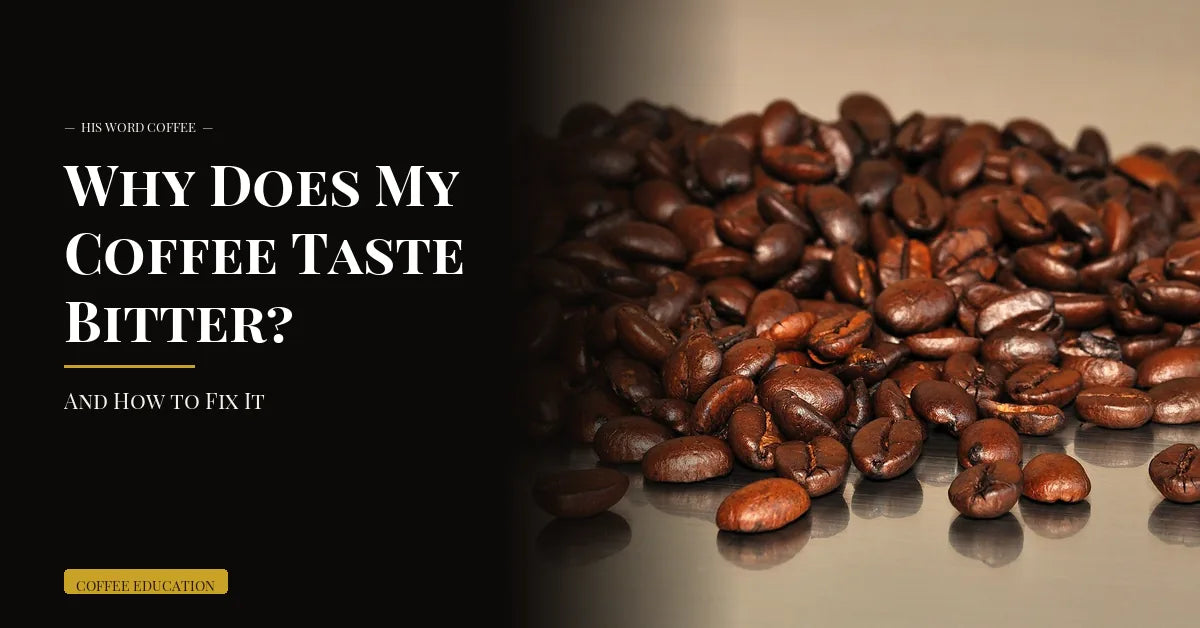
Coffee tastes bitter primarily due to over-extraction, which occurs when hot water pulls too many compounds from the coffee grounds, including harsh tannins and bitter alkaloids. The ideal extraction range is 18-22%, but when brewing variables like water temperature (above 205°F), grind size (too fine), or brew time (too long) are off, you'll extract beyond this sweet spot. Other common causes include stale or low-quality beans, dirty equipment, and using water that's too hot. The good news? Each of these issues has a simple fix that can transform your morning cup from bitter to balanced.
Key Takeaways
- Over-Extraction Culprit: Hot water pulls too many bitter compounds, especially when brew time is too long or grind is too fine.
- Ideal Water Temp: Keep your water between 195-205°F (90-96°C) to avoid scalding the coffee grounds.
- Grind Size Fix: If your coffee tastes bitter, try grinding coarser to reduce extraction time and intensity.
- Fresh Beans Matter: Use beans within 3-7 days of roasting for best flavor, avoiding stale or oxidized compounds.
- Clean Equipment: Regular cleaning prevents old oils from adding bitterness to each brew session.
Key Takeaways: Fix Your Bitter Coffee
- Over-Extraction is the Main Culprit: Water pulls too many bitter compounds when brew time is too long or grind is too fine
- Perfect Your Water Temperature: Keep it between 195-205°F (90-96°C): water that's too hot scalds the grounds
- Adjust Your Grind Size: If coffee tastes bitter, grind coarser to speed up extraction and reduce contact time
- Use Fresh Beans: Coffee peaks 3-7 days after roasting; stale beans develop musty, bitter flavors from oxidation
- Quality Matters: Cheap coffee often contains burnt chaff and broken beans that extract bitter compounds
- Clean Your Equipment: Old coffee oils turn rancid and add bitterness to every brew
Table of Contents
- 1. What Is Over-Extraction? (The Science Behind Bitterness)
- 2. Your Water Temperature Is Too Hot
- 3. Your Grind Size Is Too Fine
- 4. You're Using Stale Coffee Beans
- 5. Low-Quality Coffee Beans Are the Problem
- 6. Dirty Brewing Equipment Adds Bitterness
- 7. How to Make Coffee Less Bitter Without Sugar
- Frequently Asked Questions
What Is Over-Extraction? (The Science Behind Bitterness)
Understanding extraction is the key to solving bitter coffee. When hot water meets coffee grounds, it dissolves various compounds in a specific order, and this sequence explains everything about how your coffee tastes.
According to coffee extraction science, the extraction process happens in three distinct phases:
- First (0-30 seconds): Acidic compounds extract, including citric, malic, and chlorogenic acids. These create brightness and fruity notes.
- Second (30-90 seconds): Sugars and balanced aromatics dissolve. This is the "sweet spot" where coffee becomes complex and smooth.
- Third (90+ seconds): Bitter compounds extract, including tannins and alkaloids. These create the dry, harsh flavors of over-extraction.
The Specialty Coffee (the SCA's standards) Association recommends an extraction yield between 18-22% for optimal flavor balance. When you exceed 22%, you've entered over-extraction territory, pulling out those bitter compounds that overwhelm the cup.
How to identify over-extracted coffee:
- Overwhelming bitterness that dominates every sip
- A dry, astringent feeling on your tongue (like it's been stripped of moisture)
- Hollow or burnt flavors with no sweetness
- Harsh aftertaste that lingers unpleasantly
The opposite problem: under-extraction (below 18%): produces sour, weak coffee that tastes sharp and underdeveloped. We'll cover that in the FAQ section below.
Your Water Temperature Is Too Hot
Water temperature is one of the most overlooked factors in brewing, but it has a dramatic impact on extraction rate and bitterness.
The ideal brewing temperature is 195-205°F (90-96°C), with 200°F (93°C) often cited as the sweet spot. When water exceeds 205°F, several problems occur:
- It scalds the coffee grounds, destroying delicate aromatic compounds
- It accelerates extraction, pulling bitter tannins too quickly
- It creates harsh, burnt flavors that no amount of cream can mask
Water boils at 212°F (100°C), which is too hot for coffee. If you're pouring directly from a boiling kettle, you're guaranteed to over-extract and create bitterness.
The Simple Temperature Fix
If you don't have a temperature-controlled kettle: Boil your water, then let it sit for 30-45 seconds before brewing. This brings the temperature down to the ideal 195-205°F range.
Pro tip: Different roast levels prefer different temperatures:
- Light roasts: 200-205°F (they're denser and need more heat to extract properly)
- Medium roasts: 195-200°F (the standard sweet spot)
- Dark roasts: 190-195°F (they're more porous and extract faster, so cooler water prevents bitterness)
Your Grind Size Is Too Fine
Grind size controls how quickly water flows through your coffee and how much surface area is exposed to extraction. It's the single most important variable you can adjust to fix bitter coffee.
Here's why grind size matters so much:
A finer grind creates more surface area, which means water can extract more compounds in less time. It also slows down water flow, increasing contact time. Both factors lead to higher extraction, which is great for espresso, but disastrous for drip coffee or French press.
When your grind is too fine for your brewing method, you get:
- Over-extraction and excessive bitterness
- Slow, clogged flow (especially in pour-over)
- Muddy, gritty texture in the cup
- Harsh, astringent flavors
The Grind Size Solution
If your coffee tastes bitter, grind coarser. It's that simple. A coarser grind reduces surface area and speeds up water flow, both of which decrease extraction and eliminate bitterness.
Need help finding the right grind size for your brewing method? Check out our comprehensive Coffee Grind Size Guide with specific recommendations for drip, French press, espresso, and more.
The consistency factor: Even more important than grind size is grind consistency. Cheap blade grinders create uneven particles, some too fine (leading to bitterness) and some too coarse (leading to sourness). The result is a confused, unbalanced cup. Invest in a quality burr grinder for uniform particle size and consistent extraction.
You're Using Stale Coffee Beans
Fresh coffee and stale coffee are two completely different beverages, and staleness absolutely contributes to bitterness and off-flavors.
What happens when coffee goes stale:
The moment coffee is roasted, oxidation begins. Oxygen attacks the volatile oils and aromatic compounds that give coffee its vibrant flavor. According to coffee freshness research, coffee peaks 3-7 days after roasting and begins noticeable decline after 2-4 weeks.
As coffee oxidizes, it develops:
- Flat, cardboard-like flavors
- Musty, woody, or earthy notes
- Loss of brightness and complexity
- Increased perceived bitterness (because the pleasant flavors have faded)
- Rancid flavors from degraded oils
Ground coffee degrades even faster because grinding dramatically increases surface area exposed to oxygen. Pre-ground coffee from the grocery store may have been ground weeks or months ago, which is why it never tastes as good as freshly ground beans.
How to Keep Your Coffee Fresh
- Buy whole beans and grind just before brewing
- Use coffee within 2-4 weeks of the roast date (look for a roast date, not just an expiration date)
- Store in an airtight container in a cool, dark place, not the refrigerator or freezer
- Buy in smaller quantities so you're always using fresh coffee
- Protect from the enemies of freshness: oxygen, light, heat, and moisture
At His Word Coffee, we roast in small batches and ship quickly so you receive coffee at peak freshness: typically within days of roasting.
Low-Quality Coffee Beans Are the Problem
Sometimes the issue isn't how you're brewing, it's what you're brewing. Low-quality coffee beans are inherently more bitter, and no brewing technique can fix that.
Why cheap coffee tastes bad:
- Robusta beans: Budget coffee often contains Robusta beans (instead of Arabica), which have twice the caffeine (the FDA's caffeine safety guidelines) and significantly more bitterness. They're cheaper to grow but harsh in flavor.
- Burnt chaff and defects: Drum roasting: the standard commercial method: can leave burnt chaff (the papery skin of the coffee bean) mixed in with the beans. This chaff tastes burnt and bitter. Mass-produced coffee also includes broken beans and defects that roasters don't bother to sort out.
- Over-roasting to hide defects: Low-quality beans are often roasted very dark to mask poor flavor. This creates a burnt, bitter taste that's impossible to escape.
- Old, poorly stored beans: Grocery store coffee sits in warehouses and on shelves for months, going stale and developing off-flavors before it ever reaches your kitchen.
The Air Roasting Difference
One way to avoid the burnt bitterness of cheap coffee is to choose air-roasted coffee. Unlike traditional drum roasters that tumble beans in a hot metal drum (often scorching them and burning chaff), air roasters use a fluid bed of hot air to roast beans evenly without any burnt flavors.

Learn more about why air-roasted coffee never tastes burnt or bitter in our complete guide to air roasting.
Quality indicators to look for:
- 100% Arabica beans (no Robusta)
- Single-origin or traceable sourcing
- Roast date clearly printed (not just "best by")
- Specialty-grade coffee (scored 80+ points by certified cuppers)
- Small-batch roasting for quality control
Dirty Brewing Equipment Adds Bitterness
This is the fix that many people overlook: old coffee oils turn rancid and make everything taste bitter.
Every time you brew coffee, oils accumulate on your equipment: the carafe, the filter basket, the French press mesh, the espresso portafilter. Within days, these oils oxidize and turn rancid, developing bitter, stale flavors that leach into every fresh brew.
If you've tried everything else and your coffee still tastes bitter, dirty equipment is likely the culprit.
How to Clean Your Coffee Equipment
Daily cleaning:
- Rinse all parts with hot water after each use
- Wash removable parts (carafe, filter basket, French press) with dish soap
- Wipe down the machine exterior and warming plate
Weekly deep cleaning:
- Run a vinegar solution (1:1 water and white vinegar) through your drip coffee maker
- Disassemble and scrub your French press, Moka pot, or pour-over dripper
- Clean your grinder by grinding rice or specialty grinder cleaning tablets
- Backflush your espresso machine if applicable
Monthly maintenance:
- Descale your coffee maker to remove mineral buildup
- Replace paper filters and check for worn gaskets or seals
- Inspect for coffee residue in hidden areas
Clean equipment = clean-tasting coffee. It's a simple fix that makes a dramatic difference.
How to Make Coffee Less Bitter Without Sugar
You don't need to dump sugar into bitter coffee to make it drinkable. Instead, fix the root cause by adjusting your brewing variables.
Quick Fixes for Bitter Coffee
- Grind coarser to reduce extraction and eliminate bitterness
- Lower your water temperature to 195-205°F (let boiling water rest 30-45 seconds)
- Shorten your brew time (if you're steeping French press for 5+ minutes, try 4 minutes instead)
- Use less coffee (if you're using too high a coffee-to-water ratio, you may be over-extracting)
- Switch to fresh, high-quality beans that aren't inherently bitter
- Add a pinch of salt (this is a temporary fix: salt blocks bitter receptors on your tongue)
- Try a lighter roast if you're currently using dark roast (lighter roasts are less bitter by nature)
The Best Long-Term Solution
Master the fundamentals: fresh beans, proper grind size, correct water temperature, and the right coffee-to-water ratio for your brewing method. When these variables are dialed in, your coffee will be naturally sweet and balanced, no sugar required.
For precise brewing ratios, check out our Coffee-to-Water Ratio Guide (once published) for every brewing method.
Frequently Asked Questions
Why is my coffee sour?
Sour coffee is the opposite of bitter coffee, it's caused by under-extraction. When water doesn't extract enough from the coffee grounds (usually because the grind is too coarse, water is too cool, or brew time is too short), you get mostly acidic compounds without the balancing sweetness. To fix sour coffee: grind finer, use hotter water (195-205°F), or increase brew time. Sour coffee often lacks body and tastes thin or weak.
How do I know if my coffee is over-extracted or under-extracted?
Over-extracted coffee tastes bitter, harsh, and dry, with an astringent feeling on your tongue. Under-extracted coffee tastes sour, sharp, and weak, with excessive acidity and no sweetness. Perfectly extracted coffee tastes balanced, sweet, and complex with pleasant acidity and no harsh bitterness.
Coffee tastes burnt, what am I doing wrong?
If your coffee consistently tastes burnt, you're likely facing one of these issues: (1) Water that's too hot (above 205°F) is scalding the grounds, (2) Your coffee beans are over-roasted or low-quality with burnt chaff, or (3) You're brewing for too long and over-extracting. Try using cooler water, switching to a lighter roast or higher-quality beans (like air-roasted coffee that never contains burnt chaff), and shortening your brew time.
Can I fix bitter coffee after it's brewed?
While it's best to prevent bitterness during brewing, you can minimize it after the fact by: (1) Adding a tiny pinch of salt to block bitter receptors, (2) Diluting with hot water to reduce concentration, (3) Adding milk or cream to mellow the bitterness, or (4) Letting the coffee cool slightly (bitterness is more pronounced when coffee is very hot). However, these are temporary fixes: the real solution is adjusting your brewing technique.
Does the type of water affect coffee bitterness?
Absolutely. Hard water with high mineral content can increase perceived bitterness and create chalky flavors. Very soft water or distilled water under-extracts and creates flat, sour coffee. Ideal brewing water has moderate mineral content (TDS of 150 ppm). If your tap water tastes bad, your coffee will too: consider using filtered water for better results.
How long does coffee stay fresh after opening?
Whole bean coffee stays fresh for 2-4 weeks after the roast date when stored properly in an airtight container. Ground coffee degrades much faster: within 1-2 weeks. After this window, oxidation causes flavor fade, staleness, and increased bitterness. For the best-tasting coffee, buy in smaller quantities and use it quickly while it's fresh.
"Taste and see that the Lord is good; blessed is the one who takes refuge in him." . Psalm 34:8
Just as we're invited to taste God's goodness, your daily coffee should be a moment of simple pleasure, not bitter disappointment. With the right techniques and quality beans, every cup can be a small reminder to savor the good gifts we've been given.
Conclusion: From Bitter to Better
Bitter coffee isn't something you have to live with. Now that you understand the science behind extraction and the common causes of bitterness: over-extraction, hot water, fine grinds, stale beans, low-quality coffee, and dirty equipment, you have the knowledge to fix it.
Start with the easiest adjustments: grind a bit coarser, let your water cool for 30 seconds after boiling, clean your equipment, and make sure you're using fresh, high-quality beans. These simple changes can transform your morning cup from harsh and bitter to smooth and balanced.
At His Word Coffee, we're committed to providing coffee that tastes the way it should: never burnt, never bitter, always freshly roasted with care. Our air-roasting process ensures clean, smooth flavor without the burnt chaff that plagues conventional coffee.
Ready to experience the difference? Try our House Blend: roasted fresh, shipped fast, and guaranteed to taste better than what you've been brewing.
Get fresh coffee guides weekly.
Join our newsletter for brewing tips, origin stories, and 10% off your first order.
Always Fresh. Always Roasted to Order.
Our coffee subscription delivers air-roasted specialty coffee right to your door, with 10% off every order and no contracts. Cancel anytime.
Start Your Subscription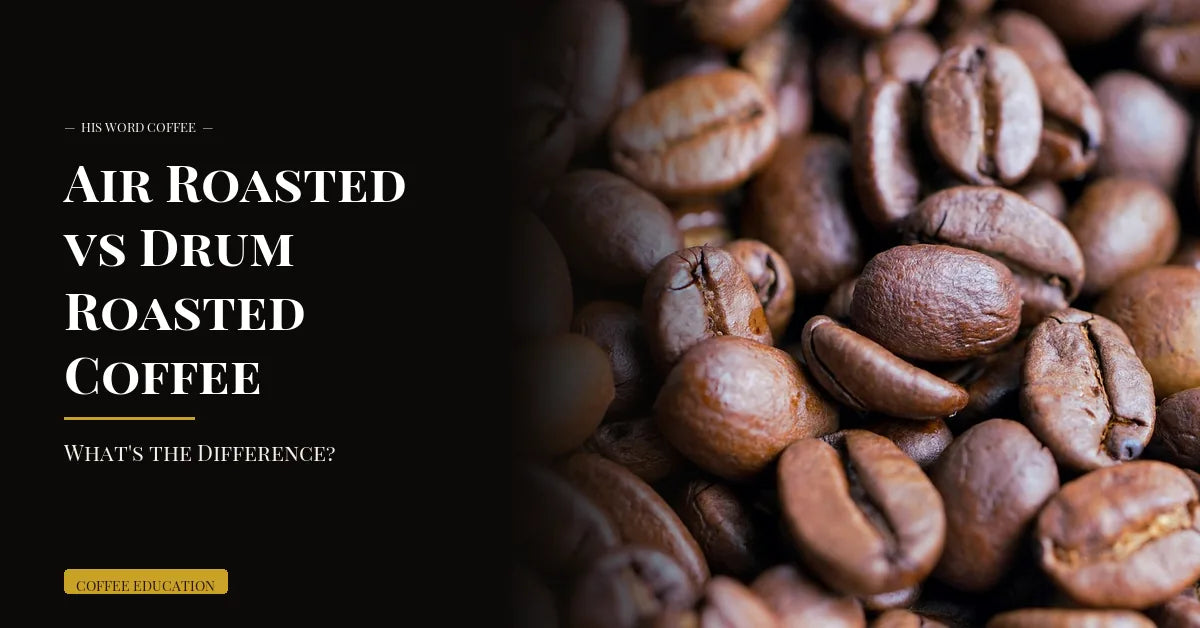

Leave a comment
This site is protected by hCaptcha and the hCaptcha Privacy Policy and Terms of Service apply.