
Why the beans matter more than the machine
A super-automatic espresso machine does the grinding, dosing, tamping, and pulling for you. It is one of the best purchases a home coffee drinker can make. But the machine cannot fix old beans. Buy the right beans and stay on top of freshness, and the cup you make at 6:30 a.m. starts to taste closer to the cup your favorite café charges six dollars for.
The goal of this guide is simple: help you choose coffee for a super-automatic that pulls a balanced shot, holds up to milk if you use it, and stays fresh in the hopper. No fluff. Just what to buy, how to set it, and how to keep the machine clean enough to taste what the roaster actually did.
Key takeaways
- Whole bean, always. Pre-ground coffee loses aroma fast and can leave residue in the brew unit. Most super-automatics have a bypass chute for an occasional decaf, but whole bean is the everyday choice.
- Medium roast is the safe start. It pulls balanced shots at standard espresso parameters and works for both milk drinks and straight espresso. Dark roast hides what fresh beans are doing. Light roast often pulls thin on a home machine.
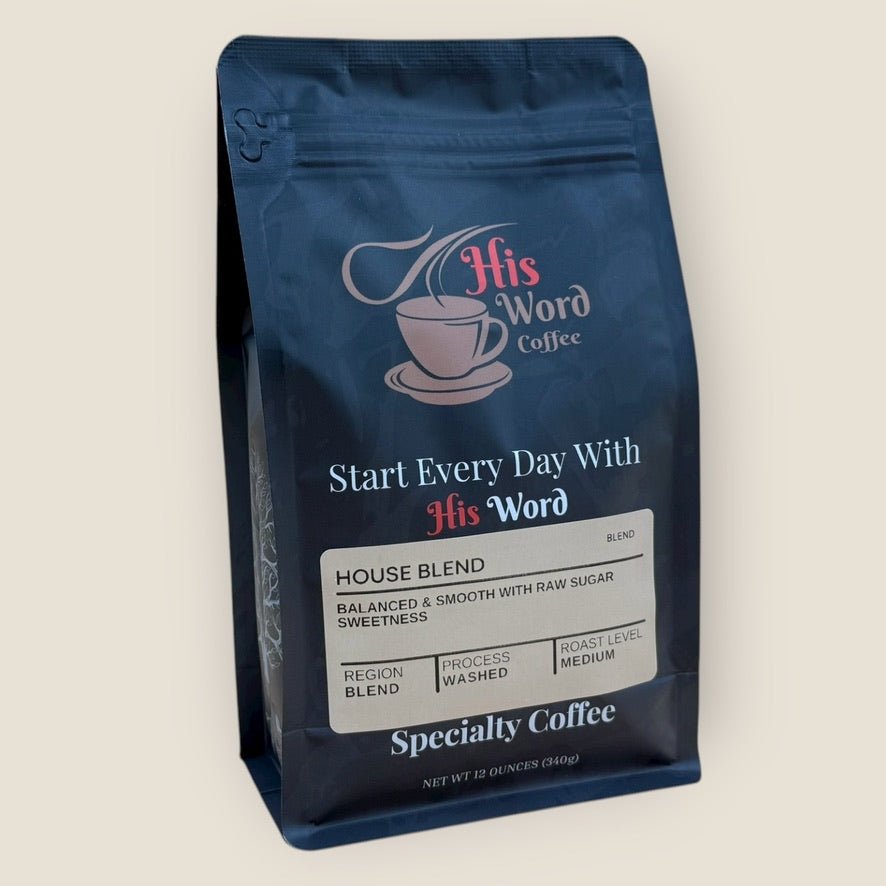
- Match the bean to the drink you make most. Milk drinks want body and sweetness (try our House Blend). Straight espresso or Americano wants balance and clarity (try our Colombia El Tiple). Pour-over drinkers want a smoother, creamier morning cup (try our Breakfast Blend).
- Freshness beats settings. Beans roasted in the last two weeks, ground on demand, give the cleanest shots. Adjust one setting at a time and write down what you taste.
- Clean the machine weekly. Fresh coffee leaves more oil residue than stale coffee. A clean machine and fresh beans outperform fresh beans and a fancy setting, every time.
1. Choose whole bean coffee, not pre-ground
A super-automatic is built around a built-in grinder. Whole beans stay fresh in the bag and feed the grinder a consistent particle size every shot. Pre-ground coffee loses aroma within days of opening, clumps in the hopper, and tends to clog the brew unit over time. If you do not have a grinder at home, our House Blend is available ground, but whole bean is the better long-term move.
One quick note: if you brew mostly decaf in the evening, the bypass chute is fine for that single cup. Just do not make it your default. Whole bean is.
2. Pick a coffee that matches the drink you make most
Think about the cup you reach for on a Tuesday morning, not the cup you order on Saturday. That answer tells you what to buy.
- Mostly milk drinks (latte, cappuccino, cortado): A medium-roast blend with body and sweetness. House Blend is our default espresso pick. It is medium roasted, washed process, with raw sugar sweetness, balanced body, and a clean finish that comes through milk without disappearing.
- Mostly straight espresso or Americano: A balanced single origin gives you more to taste without milk. Colombia El Tiple is medium roasted, semi-washed, grown at elevation in Huila, with dark chocolate, caramel, cherry, vanilla, and roasted almond. It pulls as a clean shot and stays clear as the cup cools.
- Mostly drip or pour-over, milk on weekends: A medium-light blend is brighter and easier on the stomach. Breakfast Blend is our everyday smoother morning pick with caramel, mellow dark chocolate, and clean fruit-like sweetness. It does not pull as well for milk-heavy espresso drinks, so we recommend keeping it for drip and pour-over.
3. Match the grind setting to your machine
Super-automatics let you set the grind level on the machine. Most home models perform best around the medium-fine setting on their built-in dial. Use these as reference points:
- Shot pulls in under 20 seconds and tastes sour: Grind one notch finer.
- Shot pulls in over 35 seconds and tastes bitter: Grind one notch coarser.
- Shot pulls in 25 to 30 seconds and tastes balanced: Leave it alone and move on.
Make one change at a time and pull two or three shots before judging. Air-roasted beans grind a little differently than drum-roasted beans because the roast is more even. Expect to settle on a slightly different setting than the factory default. That is normal and expected.
4. Use fresh coffee, then change one setting at a time
Freshness matters more than any setting on the machine. We air-roast to order in Vancouver, Washington and ship within one to three days. The exact roast date is printed on every bag. Coffee is at or near peak flavor four to fourteen days after the roast date, then it slowly loses brightness over the next few weeks. Aim for beans roasted within the last two weeks.
Once you have fresh beans in the hopper, start with the manufacturer's default dose and water volume. Pull two or three shots with no changes. Then change one setting and pull two more. Write down what you tasted. Most home super-automatic machines find their best cup in five or six rounds of small adjustments, not one big reset.
5. Clean the machine on the schedule it deserves
Fresh coffee leaves more oil residue in the brew unit than stale coffee. Rinse the brew unit weekly, run the descale cycle when the machine prompts you, and empty the drip tray daily. Your machine manual has the exact steps for your specific model. If you make mostly milk drinks, also wipe the steam wand after every use. Milk residue is the fastest way to change the flavor of the next cup.
What to buy first
The simplest path is to start with one bag, run a few rounds of small adjustments, and then add a second bean once you know your machine.
Or browse Colombia El Tiple for straight espresso, Breakfast Blend for drip and pour-over, or all of our fresh-roasted coffee.
Best coffee for a super-automatic: FAQs
Can I use ground coffee in a super-automatic machine?
Most super-automatic machines have a bypass chute for pre-ground coffee. Use it occasionally for a single decaf or a different bean for one cup. Pre-ground coffee loses aroma quickly and can leave residue in the brew unit, so it should not be your default. Whole bean coffee fed to the built-in grinder will give you the best cup, every time.
What is the best roast level for a super-automatic espresso machine?
Medium roast is the safest starting point. It pulls balanced shots at standard espresso parameters (fine grind, 25 to 30 seconds, 9 bars) and works for both milk drinks and straight espresso. Dark roasts can mask what a fresh bean is actually doing. Light roasts often pull thin on a home super-automatic.
Do I need special beans for a super-automatic, or is any whole bean fine?
Any fresh, whole bean specialty coffee works. Avoid beans labeled espresso that are very dark and oily on the surface. Those tend to clog the grinder and leave residue in the brew unit. Freshly roasted medium-roast beans, whether air-roasted or drum-roasted, give the most consistent shots.
How fresh should the beans be for a super-automatic?
Aim for beans roasted within the last two weeks. Peak flavor is four to fourteen days after the roast date. His Word Coffee prints the exact roast date on every bag and ships within one to three days of roasting, so the beans you receive are already at or near peak.
Is air-roasted coffee better for a super-automatic?
Air-roasted beans tend to be more even in color and density, which gives the grinder a consistent particle size. That usually means fewer channeling issues and a cleaner shot. It is not required, but it is a quiet upgrade that you can taste in the cup.
What about decaf for a super-automatic?
Decaf works the same way on a super-automatic. Pull the shot a few seconds longer to compensate for the slightly lower solubility. His Word Coffee currently offers a Mexican EA (ethyl acetate) decaffeinated option in the coffee beans collection.
How often should I clean a super-automatic machine?
Rinse the brew unit weekly, descale when the machine prompts you, and empty the drip tray daily. If you make milk drinks, purge the steam wand after every drink. Fresh coffee plus a clean machine is a stronger pair than fresh coffee plus a fancy setting.
Should I store beans in the hopper or in the bag?
Keep most of the bag sealed with the one-way valve closed, and only top off the hopper with what you will use in the next two or three days. Whole beans lose aroma faster once they sit in an open hopper with heat and humidity from the machine. For longer storage, seal the bag tightly and keep it in a cool, dark cupboard. Skip the refrigerator for daily-use beans.
Fresh-roasted weekly
One short email a week with what we are roasting, fresh brew tips, and the occasional subscriber discount. No spam, unsubscribe anytime.
We send through Klaviyo. Your email stays on our list until you unsubscribe.
About this guide: Recommendations are based on standard home super-automatic espresso machine behavior and on the brewing guides published with each His Word Coffee product. Bean freshness windows and grinding notes reflect how air-roasted, washed, and semi-washed coffees behave in built-in conical burr grinders. Always defer to your specific machine manual for cleaning intervals and brew unit handling.


Leave a comment
This site is protected by hCaptcha and the hCaptcha Privacy Policy and Terms of Service apply.