
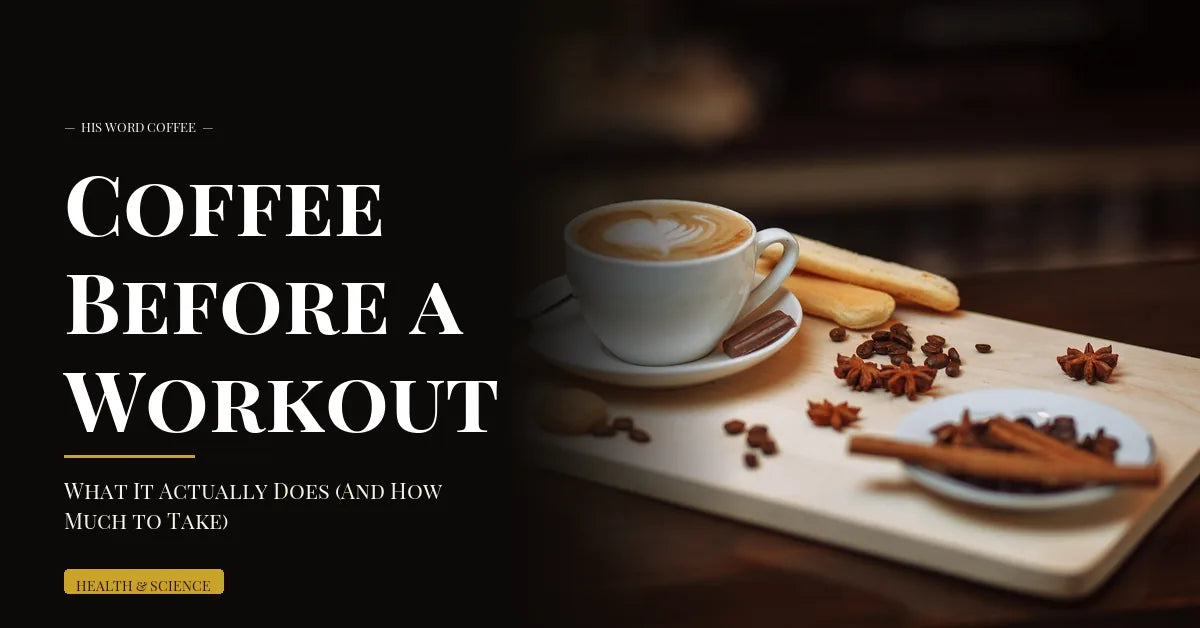
Black coffee is one of the most studied legal performance aids in sports science. Here is what the research actually says about using coffee before a workout, how much to take, and when to drink it. single-origin coffee
Key Takeaways
- Caffeine is classified by the International Olympic Committee as an ergogenic aid, one of the most evidence-backed supplements in sports science.
- The research-supported dose is 3 to 6 mg of caffeine per kilogram of bodyweight, taken 45 to 60 minutes before exercise.
- For a 154 lb (70 kg) person, that is roughly 210 to 420 mg of caffeine, or 1 to 3 strong cups of black coffee.
- Black coffee delivers caffeine as effectively as most commercial pre-workout supplements for recreational exercisers.
- Air-roasted coffee is easier on the stomach, which matters when you are about to exercise.
In This Article
Why Athletes Use Coffee Before Exercise
Coffee has been consumed before physical activity for a long time, but sports science has spent decades figuring out exactly why it works. The answer is caffeine. The International Olympic Committee formally recognizes caffeine as an ergogenic aid, meaning a substance that demonstrably improves athletic performance. Unlike many supplements with thin or contradictory evidence, caffeine is backed by hundreds of peer-reviewed studies across endurance sports, strength training, and team sports.
Black coffee is simply a natural, whole-food source of caffeine. When you drink black coffee before a workout, you are getting the same active compound studied in sports labs, without the additives, dyes, and artificial sweeteners found in most commercial pre-workout products.
The performance effects of caffeine are not subtle or marginal. A 2019 review published in the British Journal of Sports Medicine analyzed 300 studies and found caffeine to be one of the most consistently effective ergogenic aids ever studied. This is why coffee has become a staple in training routines for everything from elite marathon runners to recreational gym-goers.
What Caffeine Actually Does During a Workout
Caffeine does not give you energy in the chemical sense. It does not add fuel. What it does is change how your brain and body respond to the work you are already doing. The mechanisms are well understood at this point.
Adenosine is a molecule that accumulates in the brain during wakefulness and signals fatigue. Caffeine blocks adenosine receptors, which means the brain does not register fatigue as quickly. The result is a lower rating of perceived exertion (RPE) at the same absolute effort level. You feel less tired doing the same amount of work.
Caffeine triggers the release of fatty acids from adipose tissue through a process called lipolysis. This makes free fatty acids more available as a fuel source during exercise. During endurance activities, this is particularly valuable because it can help spare glycogen stores for later in the effort, potentially delaying the point at which the body runs low on readily available carbohydrate fuel.
Research indicates caffeine may enhance the recruitment of motor neurons and improve muscle fiber activation. Some studies show measurable reductions in muscle pain during exercise and modest improvements in maximal strength output. The effect is smaller here than the endurance benefit, but it is present in the literature.
The most robust finding in the caffeine research is its effect on endurance performance. Running, cycling, rowing, and swimming studies consistently show a 2 to 3 percent improvement in time-to-exhaustion or time-trial performance with caffeine supplementation. That kind of margin can translate to minutes in a long race.
Evidence for caffeine and strength training is more modest but real. Some studies show small improvements in 1-rep max performance and the ability to complete more repetitions at a given weight. The effect on muscular endurance (higher rep ranges) appears more consistent than on absolute maximal strength.
How Much Coffee Before a Workout
This is where the sports science gets practical. Most of the research on caffeine and exercise performance uses doses in the range of 3 to 6 mg of caffeine per kilogram of bodyweight. Here is what that looks like for different body sizes, alongside typical coffee equivalents.
| Bodyweight | Low Dose (3 mg/kg) | High Dose (6 mg/kg) | Approx. Coffee Equivalent |
|---|---|---|---|
| 130 lb (59 kg) | 177 mg caffeine | 354 mg caffeine | 1.5 to 2.5 strong cups |
| 154 lb (70 kg) | 210 mg caffeine | 420 mg caffeine | 1.5 to 3 strong cups |
| 180 lb (82 kg) | 246 mg caffeine | 492 mg caffeine | 2 to 3.5 strong cups |
| 200 lb (91 kg) | 273 mg caffeine | 546 mg caffeine | 2 to 4 cups |
Caffeine Content Reference
An 8 oz cup of strong drip coffee contains roughly 100 to 150 mg of caffeine. Lighter roasts and specialty coffee tend to be on the higher end of that range. Espresso (1 oz shot) runs 60 to 80 mg per shot. Cold brew concentrate is variable but often runs 150 to 200 mg per 8 oz serving depending on the brew ratio.
For most people exercising at moderate to vigorous intensity, two cups of black coffee 45 to 60 minutes before a workout falls comfortably within the evidence-supported range. If you are caffeine-sensitive, starting with one cup is a sensible approach.
Research also suggests that doses above 6 mg/kg do not produce additional performance benefit and significantly increase the risk of side effects like anxiety, GI distress, and elevated heart rate. More is not better once you exceed the effective range.
For more on daily caffeine limits and what the research says about safe intake levels, see our full breakdown at how much caffeine is too much.
When to Drink Coffee Before a Workout
Timing matters more than most people realize. Caffeine does not work instantly. After you drink coffee, it takes time to absorb from the gut, enter the bloodstream, and reach peak plasma concentration. Drinking coffee right as you start your warm-up means you are exercising well before caffeine has reached its full effect.
- 45 to 60 minutes before exercise is the target window. Caffeine peaks in the bloodstream at approximately 30 to 60 minutes post-ingestion in most people, making this the sweet spot for performance timing.
- Account for your individual absorption rate. Some people absorb caffeine faster than others due to genetics, gut motility, and whether they have eaten recently. If you notice coffee hits you harder on an empty stomach, factor that in.
- Avoid drinking right before intense cardio. Coffee stimulates gut motility. Drinking it immediately before a hard run or spin class increases the chance of GI discomfort mid-session. Give yourself the buffer.
- Morning workout consideration: If you train first thing in the morning, coffee is doubly useful. It counters morning adenosine buildup (the reason you feel groggy) while also timing out well for a workout 45 to 60 minutes later.
Black Coffee vs. Pre-Workout Supplements
Commercial pre-workout supplements are a multi-billion dollar category, and the primary active ingredient in most of them is caffeine. Many products include additional compounds like beta-alanine, creatine, citrulline, and B vitamins. For recreational exercisers focused on the caffeine effect, black coffee competes directly with pre-workout products on performance while offering a few advantages.
| Factor | Black Coffee | Commercial Pre-Workout |
|---|---|---|
| Primary active compound | Caffeine (natural) | Caffeine (synthetic, typically) |
| Caffeine dose control | Moderate (variable by brew) | Precise (labeled dosage) |
| Additional performance ingredients | None (caffeine only) | Often includes creatine, citrulline, beta-alanine |
| Artificial additives | None in black coffee | Often includes dyes, sweeteners, flavoring |
| Cost per serving | $0.20 to $0.75 (home brewed) | $1.50 to $4.00 or more |
| GI impact | Low to moderate (varies by roast and grind) | Variable (beta-alanine tingles are common) |
| Antioxidant content | Yes (chlorogenic acids) | Minimal to none |
| Drinkability black | Excellent with air-roasted coffee | N/A (flavored products) |
The bottom line: for most recreational exercisers, black coffee delivers the caffeine effect of a pre-workout without the price premium or additive load. If your primary goal is maximizing caffeine timing and dose, coffee is a fully capable tool. If you want additional compounds like creatine or beta-alanine, you can add those separately or choose a pre-workout, but coffee handles the caffeine part just as well.
For a deeper look at the broader benefits of drinking coffee black, see our article on black coffee benefits.
Caffeine Tolerance and Sensitivity
Regular coffee drinkers often notice that caffeine does not hit the same way it did when they first started drinking it. This is not imaginary. Chronic caffeine consumption causes the brain to upregulate adenosine receptors over time, meaning more adenosine receptors are available and caffeine has to work harder to block them all. The result is reduced caffeine sensitivity.
Some athletes use this knowledge strategically. Before an important race or competition, they eliminate or dramatically reduce caffeine for 5 to 7 days. This allows adenosine receptors to return toward their baseline density, restoring full caffeine sensitivity. When they then consume caffeine before the event, the effect is noticeably stronger than it would be on a habitual caffeine baseline.
This practice is not necessary for recreational exercise, but it is worth knowing if you feel like your coffee has stopped doing much. A brief caffeine reduction period often restores the effect.
If you have been a heavy coffee drinker for years and want to experiment with this, reduce gradually rather than stopping abruptly. Caffeine withdrawal symptoms (headache, fatigue, irritability) typically peak at 24 to 48 hours and resolve within a week.
Potential Downsides of Caffeine Before Exercise
The evidence for caffeine and exercise performance is strong, but caffeine is a stimulant and comes with real considerations.

Improved Heart Rate
Caffeine raises resting heart rate slightly through its sympathomimetic effects. For most healthy exercisers, this is not a concern. Combined with the cardiovascular demand of a workout, however, it means your heart is working at a somewhat elevated baseline throughout the session. For people with arrhythmias or hypertension, this warrants a conversation with a physician before using caffeine as a regular pre-workout strategy.
GI Distress
Coffee stimulates gut motility, which is why many people rely on their morning cup to prompt a bowel movement. Before a hard workout, this same effect can cause cramping, urgency, or general GI discomfort. This is especially relevant for running, where the repetitive impact amplifies GI sensitivity. If coffee regularly causes issues before your workouts, try drinking it further in advance, switching to a lower-acid option, or reducing the dose.
Anxiety at High Doses
Caffeine's adenosine-blocking effect also increases circulating norepinephrine and epinephrine, which can produce anxiety, jitteriness, and a feeling of being overstimulated at higher doses. If you experience this, reduce the dose. Half a cup of black coffee before an easy workout still delivers a meaningful caffeine effect without the edge.
The Air-Roasted Advantage for Exercise
Many of the GI complaints associated with coffee before exercise are more pronounced with harsh, over-roasted drum-roasted coffee than with air-roasted options. Air-roasted coffee has a smoother acid profile and is significantly easier on the stomach. If you have struggled with coffee causing GI issues during workouts, switching to air-roasted coffee is worth trying before abandoning pre-workout coffee altogether.
Many people who train regularly drink our coffee specifically because black is how they prefer it, and air-roasted coffee is considerably easier to drink black than most grocery store options. No bitterness, no acid bite, just clean coffee that works. Browse our options at His Word Coffee.
Practical Recommendations
Pulling the research together into a simple pre-workout coffee protocol:
- Drink 1 to 2 cups of black coffee 45 to 60 minutes before your workout.
- If you are caffeine-sensitive, start with one cup and assess how you feel.
- Drink it black. Cream and sugar add calories, slow gastric emptying slightly, and are unnecessary if you have quality coffee.
- Account for other caffeine sources in your total daily intake. If you have already had two cups in the morning, factor that into your pre-workout math. For total daily limits and what the research says about safe caffeine intake, see our guide on how much caffeine is too much.
- For GI-sensitive athletes, air-roasted coffee and giving yourself the full 60-minute window significantly reduce the chance of discomfort.
- If you want to reset your caffeine sensitivity, 5 to 7 days off before a major training event or race can restore a noticeably stronger response.
Frequently Asked Questions
Is black coffee good before a workout?
Yes. Black coffee is one of the most research-backed pre-workout options available. It delivers caffeine, which is classified as an ergogenic aid by the International Olympic Committee, without added calories, sweeteners, or artificial ingredients. For most recreational exercisers, it is as effective as commercial pre-workout supplements for the caffeine effect alone.
How much coffee should I drink before a workout?
Sports science research uses doses of 3 to 6 mg of caffeine per kilogram of bodyweight. For a 154 lb (70 kg) person, that is 210 to 420 mg of caffeine, or roughly 1.5 to 3 cups of strong black coffee. Most people find 1 to 2 cups is sufficient for meaningful performance effects without causing side effects.
When should I drink coffee before a workout?
Drink it 45 to 60 minutes before you begin exercising. Caffeine peaks in the bloodstream at approximately 30 to 60 minutes after ingestion. Drinking it right as your session starts means you are training well before caffeine has reached its full effect.
Is coffee better than pre-workout supplements?
For the caffeine effect, black coffee is comparable to most pre-workout supplements. Commercial pre-workouts often include additional compounds (creatine, beta-alanine, citrulline) that coffee does not contain. However, coffee is cheaper, has no artificial additives, and includes antioxidants. For people focused primarily on the caffeine component, black coffee is a fully capable alternative.
Will coffee hurt my performance if I am already a regular coffee drinker?
Regular coffee consumption reduces caffeine sensitivity somewhat due to adenosine receptor upregulation. However, studies show habitual caffeine consumers still benefit from pre-exercise caffeine compared to placebo. The effect may be smaller than in non-habitual users, but it is still present. Some athletes cycle off caffeine for 5 to 7 days before important events to fully restore sensitivity.
Can coffee cause stomach problems during exercise?
Yes, for some people. Coffee stimulates gut motility, which can cause GI discomfort during high-intensity exercise, especially running. Drinking it 60 minutes before exercise (rather than immediately before), using air-roasted coffee with a smoother acid profile, and avoiding it on an empty stomach can all reduce this effect.
Does caffeine burn fat during exercise?
Caffeine stimulates lipolysis, the release of fatty acids from fat tissue into the bloodstream, making them available as fuel. During aerobic exercise, this can increase fat oxidation. However, fat burning during exercise does not automatically translate to fat loss outside the gym. Total calorie balance and overall training program remain the dominant factors for body composition change.
Coffee That Works as Hard as You Do
Air-roasted, smooth, easy to drink black. No bitterness, no harsh acids. Just clean coffee built for people who take their routines seriously.
Shop His Word CoffeeResearch Sources
- Grgic J, et al. "Wake up and smell the coffee: caffeine supplementation and exercise performance." British Journal of Sports Medicine, 2019. PubMed: 30926628
- Goldstein ER, et al. "International society of sports nutrition position stand: caffeine and performance." Journal of the International Society of Sports Nutrition, 2010. PubMed: 20205813
- Pickering C, Kiely J. "Are the Current Guidelines on Caffeine Use in Sport Optimal for Everyone? Inter-individual Variation in Caffeine Ergogenicity, and a Move Towards Personalised Sports Nutrition." Sports Medicine, 2018. PubMed: 29098605
Sources: FDA, Spilling the Beans: How Much Caffeine Is Too Much?. Nehlig, "Is Caffeine a Cognitive Enhancer?" J Alzheimers Dis 2010.


Leave a comment
This site is protected by hCaptcha and the hCaptcha Privacy Policy and Terms of Service apply.