

Coffee travels from a farm near the equator through picking, processing, drying, milling, exporting, roasting, and brewing before it reaches your cup. Each step shapes the flavor in your mug. Understanding the path helps you choose better coffee and see why freshness matters so much.
Where coffee comes from: the coffee belt
Coffee grows in a band around the Earth called the coffee belt. It stretches between the Tropic of Cancer to the north and the Tropic of Capricorn to the south. Inside this zone you find the mix of altitude, rainfall, and temperature that coffee needs to thrive. Location shapes flavor the same way it shapes wine: soil, altitude, rainfall, and surrounding vegetation all leave their mark on the bean, which is why a coffee from Ethiopia tastes nothing like one from Colombia even if they are roasted the same way.
- Africa (Ethiopia, Kenya, Burundi): Bright acidity, floral notes, berry and tea-like complexity.
- Central and South America (Colombia, Costa Rica, Guatemala, Honduras): Balanced, chocolatey, clean, with medium body.
- Asia and Pacific (Indonesia, Papua New Guinea): Earthy, full-bodied, low acidity, spice notes.
Growing and harvesting
Coffee grows on trees that bloom after the rainy season. The blossoms smell like jasmine and last only a few days. After pollination, cherries develop over several months, slowly ripening from green to yellow to red. Most specialty coffee is hand-picked. Workers move through the farm multiple times, selecting only ripe cherries. This is slower and more expensive than stripping all cherries at once, but it produces better raw material. Underripe cherries taste sour and thin. Overripe cherries can taste fermented. Only ripe cherries give you the sweetness and balance that specialty coffee needs.
Processing: three methods that shape flavor
After harvest, the fruit around the seed has to be removed. This step is called processing, and it is one of the most important decisions in the entire supply chain because the method changes the flavor of the final cup in significant ways.
Washed (wet) process
The fruit is removed quickly, beans are fermented to clean off the remaining mucilage, then dried. This method highlights the bean's natural character. Flavor result: Clean, crisp, bright acidity. You taste the origin clearly.
Natural (dry) process
Whole cherries are dried in the sun for several weeks. The bean absorbs flavor from the fruit during drying. This is the oldest processing method. Flavor result: Fruity, wine-like, bold body. Think blueberry, strawberry, or red grape notes.
Honey process
The skin is removed but some or all of the sticky mucilage stays on the bean during drying. It falls between washed and natural. Flavor result: Sweet, balanced, smooth body. Popular in Costa Rica and Central America.
The same coffee from the same farm can taste completely different depending on processing. This is why specialty roasters note the processing method on the bag.
Milling, sorting, and export
After processing, beans are dried to a stable moisture level, then milled to remove the parchment layer and sorted by size and density. Defective beans are removed by hand or optical sorters. The best lots get graded as specialty grade, which is what we source. Green coffee is then bagged in jute or GrainPro, shipped in ocean containers, and stored at green coffee warehouses by our importing partners until we are ready to roast.
Roasting: bringing out what makes each coffee special
Green coffee has a grassy, raw smell and none of the flavors you expect. Roasting transforms it. Inside the roaster, heat triggers a cascade of chemical reactions: sugars caramelize, proteins brown, and hundreds of aromatic compounds form. The bean goes from raw to something that smells like the coffee you know. Specialty roasts typically run in the 8 to 14 minute range depending on origin, bean density, and roast level (source: Scott Rao roasting standards). We roast in small batches using an air roasting process. Hot air moves through the beans evenly, which produces a clean, bright cup with less smoke and residue than traditional drum methods. Our goal with every roast is to highlight what makes that origin interesting, not to cover it up with a heavy roast profile. We cup every roast profile before it ships, and if something is off, we adjust the profile and roast again.
Brewing: the final step
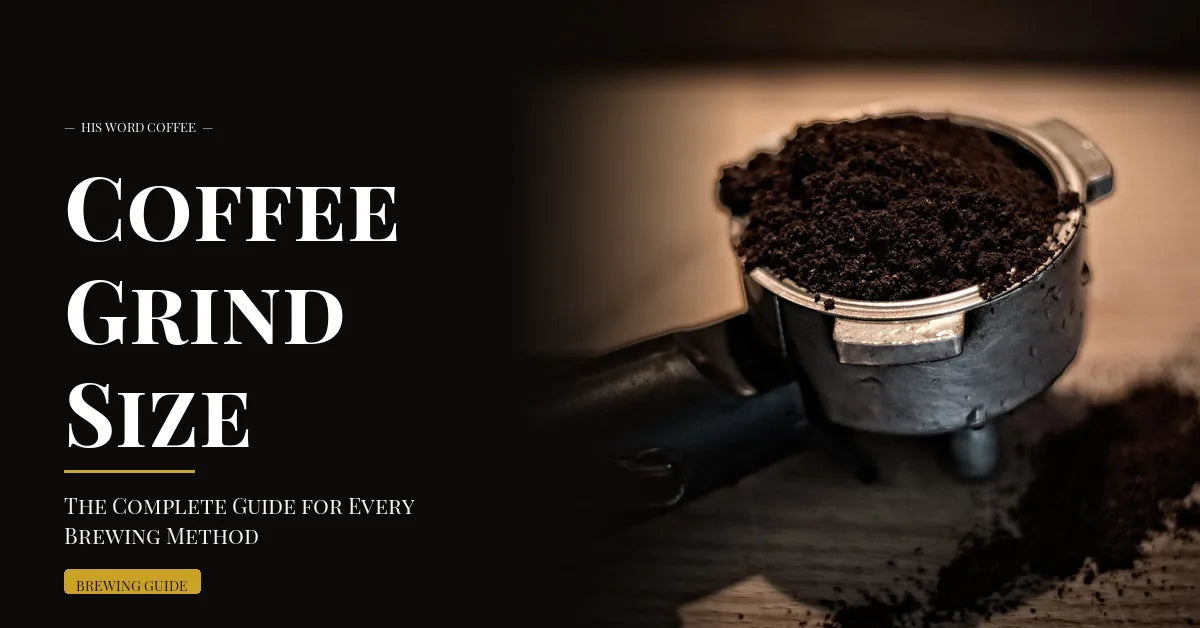
All that careful work from farm to roastery ends in your kitchen. Brewing extracts soluble compounds from ground coffee into water. Your method, grind size, water temperature, and brew time all affect what ends up in the cup. Water temperature matters: too cool and the cup tastes flat and sour, too hot and it can taste bitter. A range of 195 to 205 degrees works for most methods. Grind size matters just as much. Coarse for French press, medium-fine for pour over, fine for espresso. If your coffee tastes off, grind adjustment is usually the first place to look. We have brewing guides on the blog if you want to go deeper.
Sourcing and roasting at His Word Coffee
We source through specialty importers who maintain traceability and quality standards. We buy specialty grade Arabica, which means the green coffee scores 80 points or higher on a standardized quality scale (source: Specialty Coffee Association cupping protocol). The origins we carry include Colombia El Tiple, Costa Rica Tarrazu, Guatemala Los Huipiles, and Ethiopia Sunrise, alongside our House Blend and Breakfast Blend for those who prefer a consistent everyday cup. Each comes with origin and processing information because we think you should know what you are drinking. We roast to order and ship within 2 to 3 days so the coffee you brew is near peak freshness.
Why freshness matters
Commercial coffee often sits in warehouses for months before reaching store shelves, then sits on shelves longer. By the time you brew it, the carefully developed flavors have faded significantly. Coffee is at its best in the first 2 to 3 weeks after roasting. The roast date on every one of our bags is the date we roasted that lot, not a generic best-by stamp. Buy what you can drink in a few weeks, store the bag sealed at room temperature away from heat and light, and you will taste the difference.
Frequently asked questions
Q: How long does it take coffee to travel from farm to cup? Several months to a year, depending on origin and shipping. Cherries mature on the tree for 6 to 9 months. Processing, drying, milling, and export typically add 1 to 3 months. Once green coffee reaches the roastery, we roast and ship within 2 to 3 days.
Q: What is the difference between washed, natural, and honey processing? Washed strips the fruit off fast and ferments the bean clean, which gives you a clean, bright cup. Natural dries the whole cherry around the bean, which gives you fruity, wine-like flavors. Honey leaves some of the sticky mucilage on the bean during drying, which lands between the two with a sweet, balanced cup.
Q: What does specialty grade coffee mean? Specialty grade means the green coffee scored 80 points or higher on a 100-point cupping scale used by the Specialty Coffee Association. The score reflects flavor, aroma, body, balance, and absence of defects. Anything below 80 is classified as commercial or commodity grade.
Q: How fresh is His Word Coffee when it ships? We roast to order and ship within 2 to 3 days. The roast date is printed on every bag. Coffee tastes its best 7 to 21 days after roasting, so your beans arrive well inside that window.

Leave a comment
This site is protected by hCaptcha and the hCaptcha Privacy Policy and Terms of Service apply.