
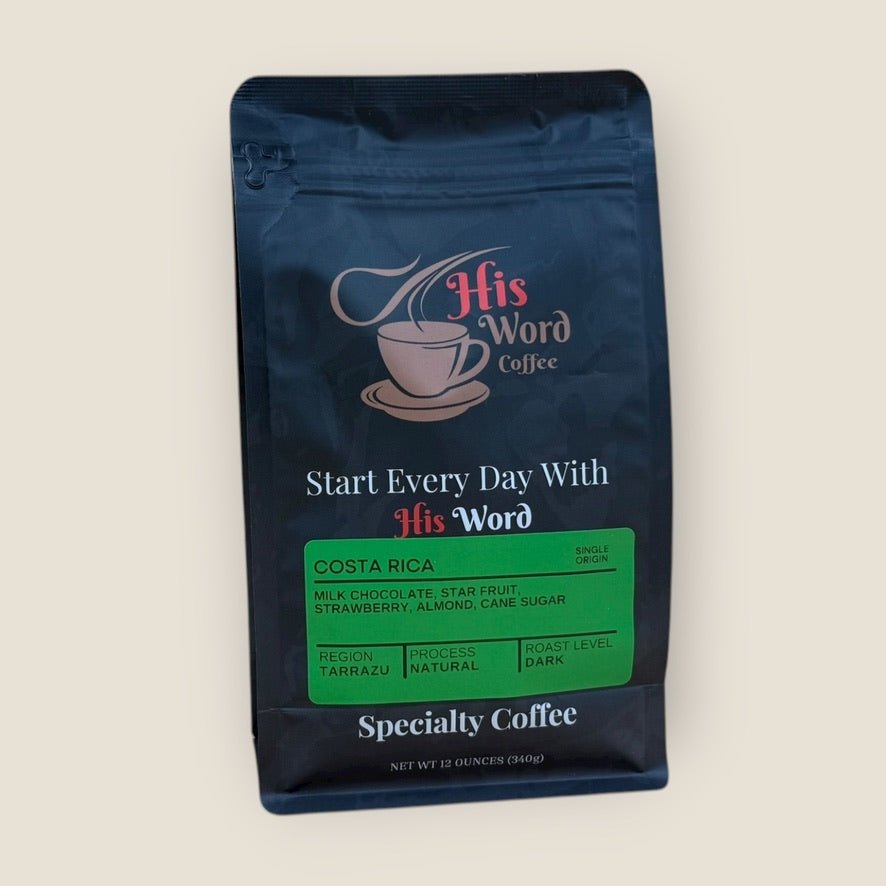
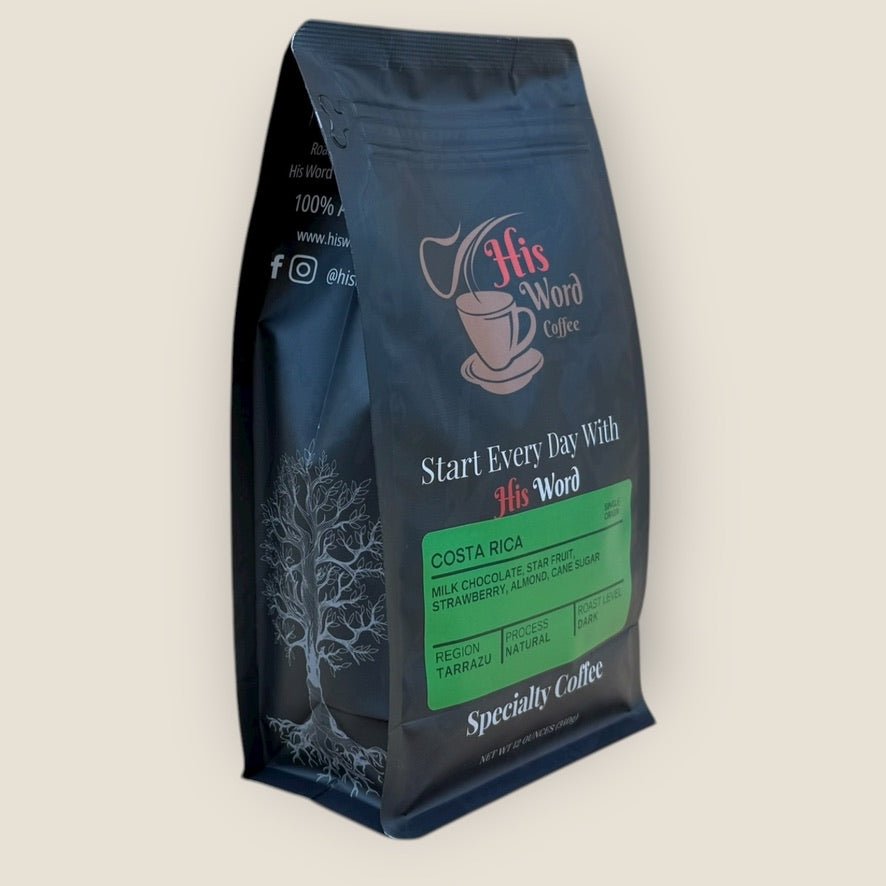


Tarrazu coffee doesn't need much introduction in specialty coffee circles — the region in Costa Rica's southern highlands produces some of the most consistently celebrated beans in the world. This lot from Beneficio San Diego takes it a step further: honey processed at elevation, air roasted fresh to order in Vancouver, WA. The result is a dark roast with a heavy, satisfying body and a sweetness that washed coffees simply can't match.
Coffee Details
| Origin | Tarrazú, Costa Rica |
|---|---|
| Full Lot Name | San Diego Jaguar Honey SHB EP 2025 |
| Mill | Beneficio San Diego (est. 1888) |
| Altitude | 1,200 – 1,750m (3,937 – 5,741 ft) |
| Process | Honey |
| Grade | SHB EP (Strictly Hard Bean, European Preparation) |
| Varietals | Caturra, Catuai |
| Harvest | November – March |
| Roast Level | Dark |
| Tasting Notes | Chocolate, nectarine, guava, berry, honey, citrus |
| Body | Heavy |
| Acidity | Medium |
| Roasted In | Vancouver, WA (air roasted, small batch) |
| Ships | 1–3 days after roasting |
Key Takeaways
- Tarrazú is one of the world's most celebrated coffee-growing regions — volcanic soil, high elevation, and cool nights create exceptional growing conditions.
- The honey process leaves fruit sugars on the bean during drying, giving this coffee a natural sweetness washed coffees can't replicate.
- Beneficio San Diego has been processing coffee since 1888 and helped pioneer honey processing in Costa Rica.
- Air roasted fresh to order in Vancouver, WA — every bag ships within 1–3 days of the roast date.
- Heavy body with medium acidity — works beautifully black, with milk, or as espresso.
Why Honey Process Makes This Coffee Different
When coffee is harvested, each bean is surrounded by layers: the outer skin, a layer of sticky fruit mucilage, and the parchment. In washed processing, all of that is removed before the beans are dried. With honey processing, the skin comes off but the mucilage — sometimes called "coffee honey" — stays on the bean through the drying phase.
That mucilage is where a lot of the natural fruit sugar lives. As the beans dry on raised beds over several weeks, they absorb those sugars. The result is a cup with noticeably more sweetness and body than a comparable washed coffee, and fruit flavors that feel integrated rather than added. In this Tarrazu lot, that means the chocolate comes first, then the nectarine and guava, with a honey-sweet finish that lingers.
Beneficio San Diego is one of the mills that helped develop and refine honey processing in Costa Rica. They've been operating since 1888, and the care they bring to fermentation and drying control is visible in the cup.
The Tarrazú Region
Tarrazú sits in Costa Rica's southern highlands along the Cordillera de Talamanca mountain range. The combination of volcanic soil, elevations between 1,200 and 1,750 meters above sea level, and wide temperature swings between day and night creates growing conditions that slow cherry development — which means more time for the plant to build sugars and flavor complexity before harvest.
The beans in this lot come from smallholder farmers in the region, most working plots of a few hectares, who deliver Caturra and Catuai cherries to Beneficio San Diego during the November–March harvest. The SHB EP grade designation means the beans are grown at high altitude (Strictly Hard Bean) and hand-sorted to remove defects before export (European Preparation) — it is one of the strictest quality grades in the specialty coffee world.
This particular lot — the San Diego Jaguar Honey — also supports jaguar habitat conservation in Costa Rica through FUNDAZOO. Good coffee with good roots.
Who This Coffee Is For
If you've been drinking single origin coffee for a while and want something with genuine complexity — not just brightness — this is a strong choice. The honey process gives it a sweetness that stands on its own without needing sugar or cream, but the heavy body means it holds up well with milk too.
It works across brewing methods. Pour-over and drip brewing let the fruit notes open up and the acidity stay clean. Espresso pulls rich and thick, with chocolate depth. French press emphasizes the body. If you tend to stick to one brew method, this is forgiving enough to try in whatever you have.
For newer coffee drinkers, Costa Rica Tarrazu coffee is often one of the first specialty origins people reach for — and for good reason. The flavor profile is approachable (chocolate, berry, honey) without being flat or one-dimensional.
How to Brew Costa Rica Tarrazu
This honey process Tarrazu shines brightest in a pour-over, where the fruit notes and natural sweetness can fully open up — but it holds up beautifully in every method. The heavy body and mild acidity give it a flexibility that not all single origins have.
Pour-Over (V60, Chemex, Kalita)
Pour-over is the recommended method for this coffee. Use a medium grind, 15g of coffee to 240g of water, and water between 195–200°F. Target a total brew time of 3:00–3:30. The honey process adds a natural sweetness that the paper filter clarifies beautifully — the nectarine and guava notes come forward with real definition, and the chocolate settles into the background as a clean, lingering finish.
Drip Coffee Maker
Use a medium grind and a 1:16 ratio with good filtered water. The honey sweetness carries through reliably — the cup is balanced, clean, and satisfying without demanding anything from you. This is the version of this coffee most people will drink most days, and it rewards the consistency.
French Press
Use a coarse grind and a 1:15 ratio, steep for 4 minutes, then press slowly. The body gets fuller and heavier with immersion brewing, and the honey character deepens into something richer and more rounded. If you prefer a substantial, textured cup, French press is worth trying — though the fruit notes soften compared to pour-over.
Espresso
Use an 18g dose at a 1:2 ratio and pull for 27–30 seconds. The result is a sweet, medium-body shot with honey notes that translate remarkably well with milk. This is a strong choice for lattes and flat whites — the natural sweetness of the honey process means you need less added sugar, if any.
Cold Brew
Use a 1:8 coffee-to-water ratio by weight and steep for 14–18 hours in the refrigerator. The honey and nectarine notes translate well into a clean, naturally sweet cold brew. Serve over ice straight or diluted slightly — the sweetness holds up without bitterness even when cold.
One useful note on this coffee: the honey process gives it natural sweetness that means you can use slightly less coffee-to-water than you might with a washed coffee and still get a full-flavored cup. If you tend to brew on the stronger side, try backing off a gram or two and see if the fruit notes come forward more clearly.
Fresh Roasted, Small Batch
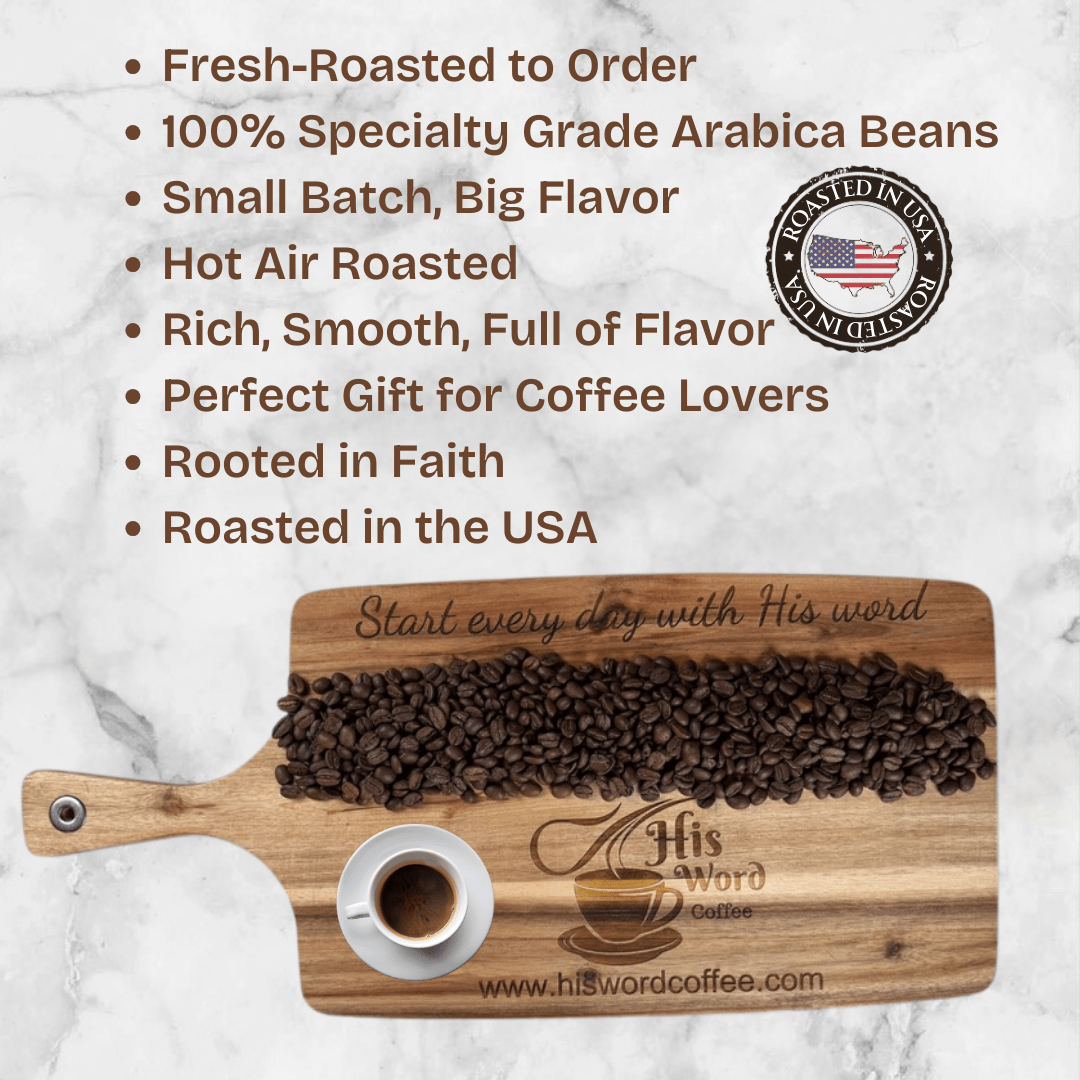
We roast every order in small batches on our fluid bed air roaster in Vancouver, WA. Air roasting uses hot air rather than direct contact with a metal drum, which eliminates scorching and chaff contamination. The result is a cleaner, more consistent roast that lets the origin flavors of a coffee like this Tarrazu actually come through.
Your bag ships within 1–3 days of roasting. The roast date is printed on every bag. Most roasters consider the peak flavor window to be 5–21 days post-roast, so your coffee arrives right at the start of that window.
Frequently Asked Questions
What is honey process coffee?
Honey processing removes the outer skin of the coffee cherry but leaves the sticky mucilage layer on the bean during drying. That mucilage carries natural fruit sugars, which the drying bean absorbs over several weeks. The result is more sweetness and body than washed coffee, without the heavy fermentation character of natural process. Beneficio San Diego helped pioneer this technique in Costa Rica.
What does Tarrazu mean and why is it well-known?
Tarrazú is a region in Costa Rica's southern highlands, consistently ranked among the world's top coffee-growing areas. High elevation (1,200–1,750m), volcanic soil, and significant temperature variation between day and night slow cherry development and concentrate flavor. The region is known for clean, balanced, sweet coffees — which is exactly why it is one of the most searched single-origin names in specialty coffee.
How should I brew this coffee?
Pour-over and drip brewing bring out the fruit notes and clean sweetness best. Water around 195–200°F, medium grind, 1:15 ratio. For espresso, it pulls rich with good crema and performs well in milk drinks. French press emphasizes the heavy body. We recommend trying it black first to experience the full flavor range.
Can I subscribe and save?
Yes — subscribe and save 10% on any bag size. Choose weekly, biweekly, or monthly delivery. Every subscription order is roasted fresh to your ship date. You can pause, skip, or cancel anytime with no penalty.
How fresh is my coffee when it arrives?
Every bag is roasted to order at our Vancouver, WA roastery and ships within 1–3 days of the roast date. The roast date is printed on every bag. Your coffee arrives right at the beginning of its peak flavor window (5–21 days post-roast).
Never Run Out — Subscribe and Save 10%
Set your schedule, pick your grind, and get freshly roasted Costa Rica Tarrazu delivered automatically. No surprises, no commitment — pause or cancel anytime.
Also Worth Trying
If you enjoy this Tarrazu, try our Colombia El Tiple for caramel and milk chocolate depth, or our Guatemala Los Huipiles for another high-altitude Central American with bright, clean character. Both are air roasted fresh to order.